
Choosing a ticketing platform should never be limited to comparing commission percentages.
Behind an often similar interface lie very different rationales: business model, payment management, technical constraints, support, administrative compliance, and marketing flexibility.
Effectively comparing several solutions therefore requires a structured approach.
Rather than searching for "the best platform"in an abstract way, it is more relevant to identify the criteria that will have a concrete impact on the organization, profitability, and peace of mind of your event.
The economic model: understanding the overall cost
The first criterion for comparison is obviously pricing, but this must be analyzed in its entirety.
A commission of 2% may seem more attractive than one of 3%, but if it comes with fixed fees per ticket, a monthly subscription, or additional paid modules, the balance can quickly shift.
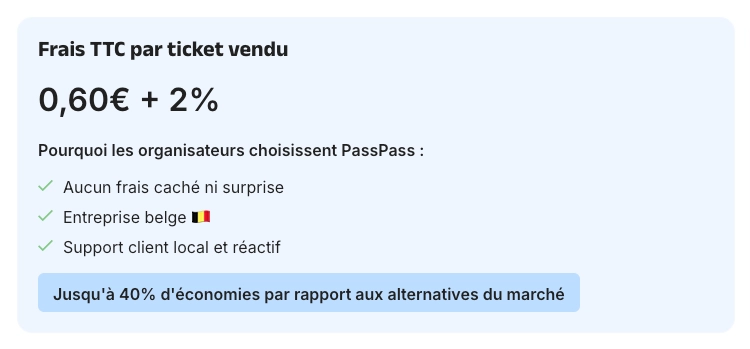
The challenge is to assess the actual cost in a specific scenario. For example, how much will it cost to sell 500 tickets at $30 each? The calculation must include all costs, taking into account applicable taxes and any deductions. It is also important to check whether the organizer can absorb these costs or pass them on to the buyer.
A transparent pricing structure platform facilitates financial forecasting and allows you to set your prices with confidence.
Operational simplicity and autonomy
A second criterion that is often decisive is ease of use.
A platform may offer numerous features, but if configuring them requires complex training or technical support, it may slow down the organization.
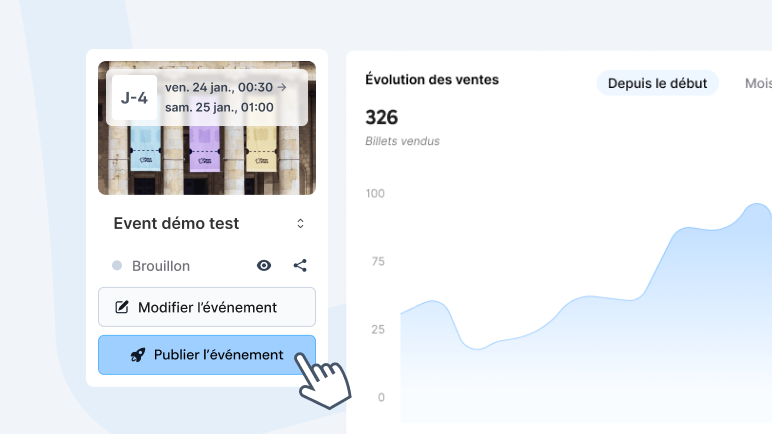
The ability to quickly create an event, configure differentiated pricing, modify information after publication, or adjust capacities in real time directly contributes to overall efficiency.
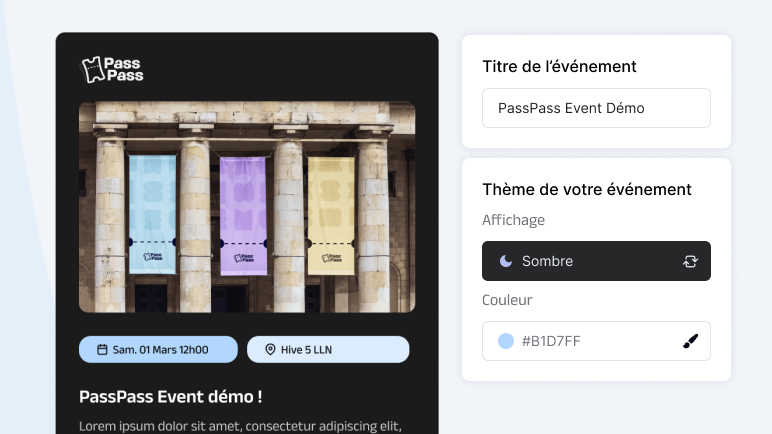
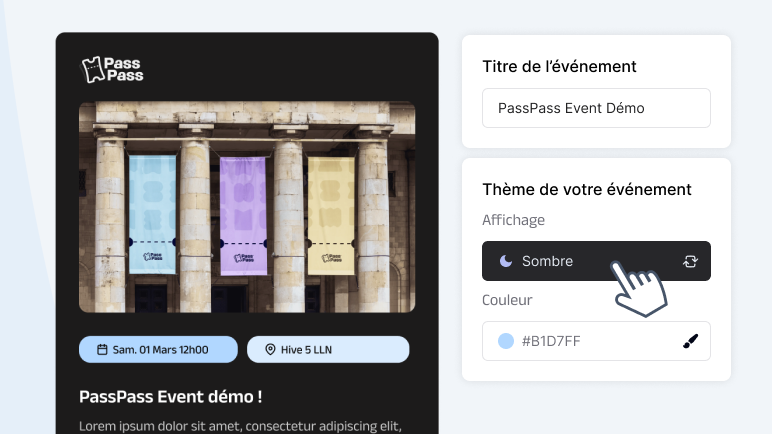
The more intuitive the tool, the more autonomy the organizer gains.
In a context where deadlines are sometimes tight, the fluidity of the online publishing process can become a real strategic advantage.
Payment management and cash flow
Comparing ticketing platforms also involves carefully examining their payment systems. The accepted payment methods must correspond to the habits of the target audience, especially when it comes to a local market with specific solutions.
Beyond payment methods, the issue of payments is essential.
Transfer times, the possible existence of a security deposit, or the ability to set the frequency of payments can directly influence cash flow management. For a high-volume event, these factors are not secondary.
System reliability and compliance with security standards are also essential criteria.
Data and participant management
A ticketing platform is not just a transactional tool. It must support the entire event lifecycle. Easy data export, the ability to modify or add participants, and customizable registration forms all contribute to more efficient management.
For professional or association events, collecting additional information can be strategic. The chosen platform must allow for this flexibility without weighing down the purchasing experience.
Furthermore, compliance with data protection regulations is an aspect that should not be overlooked.
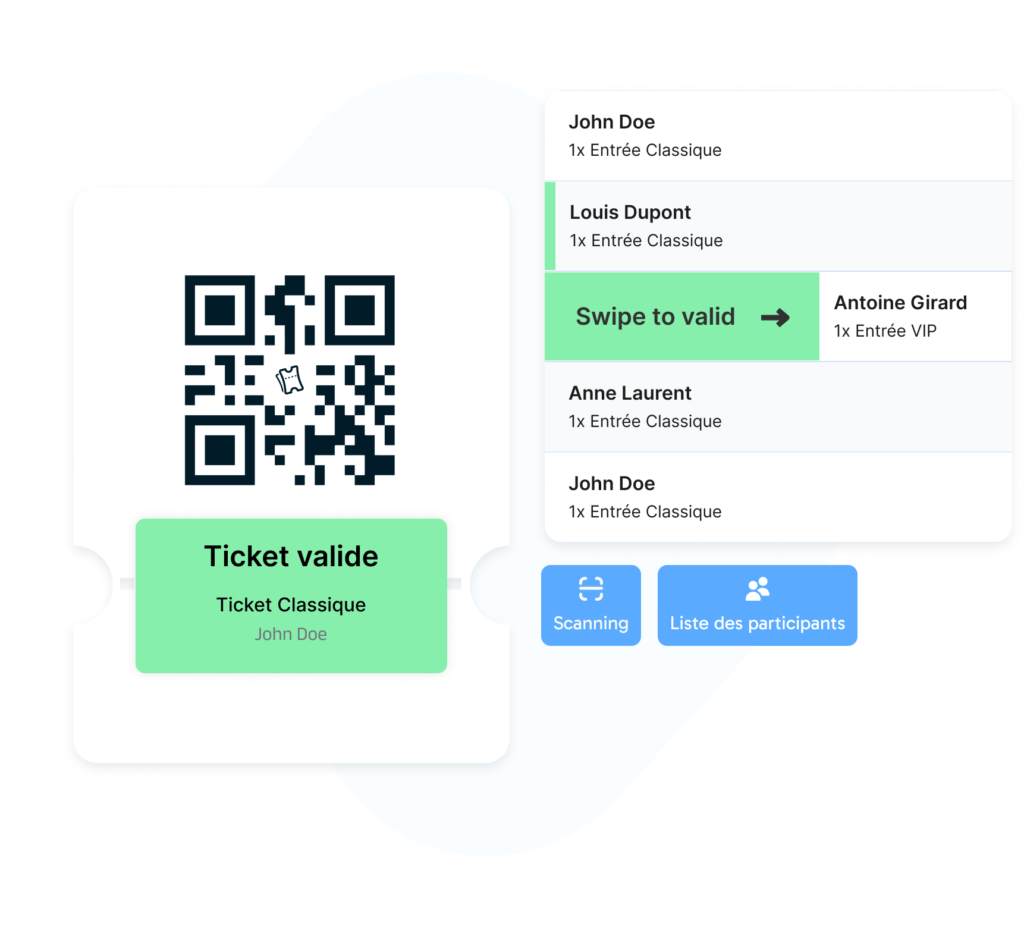
Field experience and access control
The day of the event is a critical moment. Smooth entry immediately influences participants' perceptions. Modern platforms generally offer tickets with QR codes and mobile apps that enable real-time access control.
Comparing solutions involves evaluating the robustness of these tools:
- scan reliability
- device synchronization
- multiple validation management
Well-managed logistics reduce organizational tensions and contribute to a professional experience.
Suitability for the type of event
Not all platforms meet the same needs.
Some are particularly suited to cultural venues with complex seating plans. Others prioritize speed and simplicity for one-off events.
The number of participants, the frequency of events, the need to offer several ticket categories, and the need for specific integrations should guide the comparison.
A platform that performs well in one context may prove unsuitable in another. The determining factor is always the consistency between the tool and the scenario in which it is used.
Integrations and marketing dimension
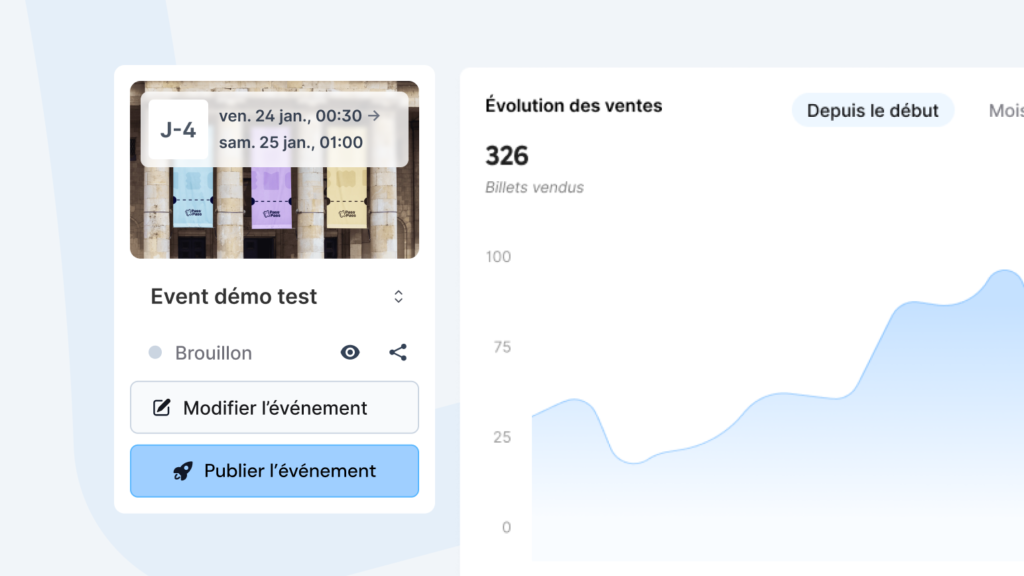
Today, ticketing is part of an overall marketing strategy. The ability to integrate conversion tracking tools, connect ticketing to an existing website, or create personalized promotional codes can have a direct impact on business performance.
Comparing platforms therefore involves analyzing their integration capabilities and their openness to other digital tools.
A flexible solution allows campaigns to be optimized and their effectiveness to be accurately measured.
Administrative and local compliance
In certain contexts, particularly for companies or associations, administrative compliance can weigh heavily in the decision-making process.

VAT management, structured accounting exports, and compatibility with specific national standards are all factors that must be considered.
A platform tailored to local requirements greatly simplifies administrative work at the end of an event.
The level of assistance and support
Finally, customer support is an often underestimated criterion. In the event of a sales spike or unexpected technical issues, responsiveness and quality of support can make all the difference.
Comparing platforms means evaluating not only their features, but also the quality of their support:
- availability
- language
- clarity of documentation
- ability to solve a problem quickly.