
Reserved seating or general admission: which is right for your event?
The benefits, constraints and best uses of reserved seating and general admission, six questions to help you decide, and the mixed option that combines both in one plan.
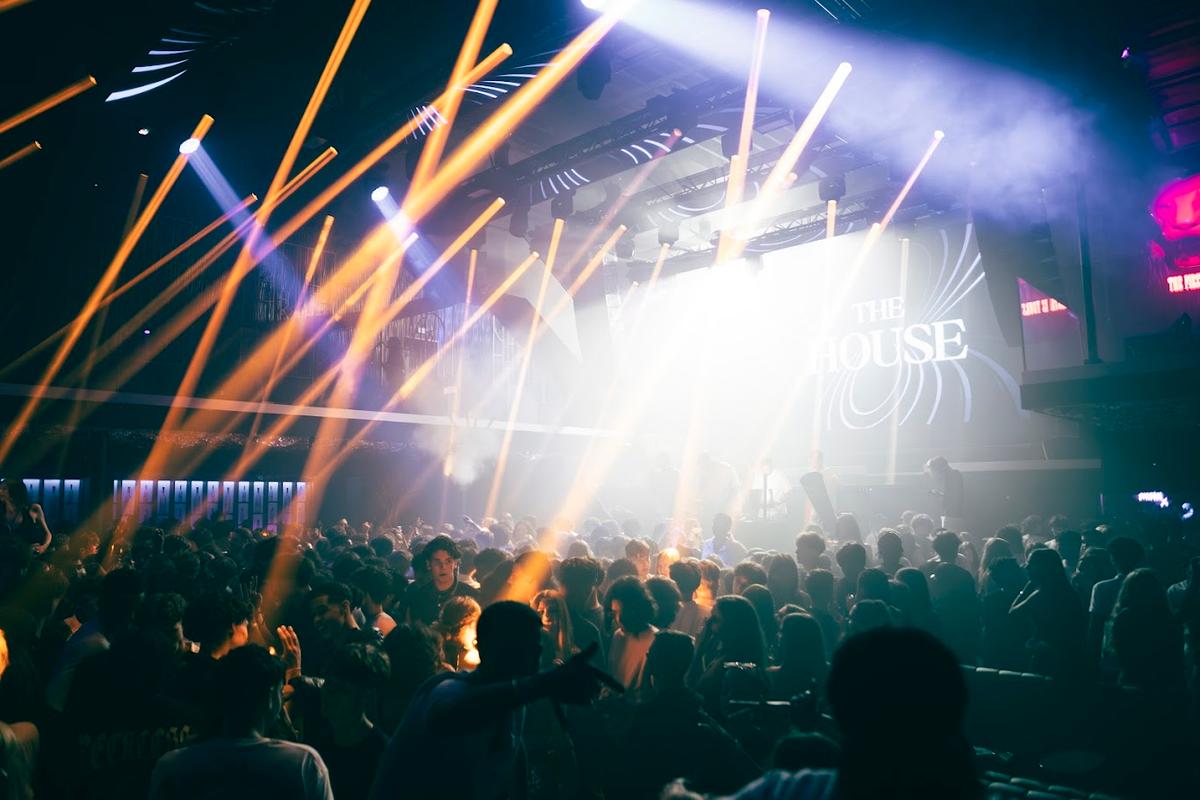
Reserved seating suits events where the audience stays seated and where position matters: theatre, stage shows, seated concerts, galas. It guarantees everyone their seat and lets you set different prices by location. General admission suits standing or informal events, small venues where every seat has a similar view, and formats where people move around. In between, a mixed plan combines a reserved area and an unreserved one.
Here is how to decide based on your event, your venue and your audience.
Two ways to seat an audience
With reserved seating (also called allocated seating), each ticket matches a specific seat: a section, a row, a number. The attendee chooses it when booking, on a seating plan.
With general admission, the ticket gives access to the venue or to an area, with no assigned seat. The first to arrive pick their spot, seated or standing.
The choice affects your ticketing, your pricing, front-of-house on the day and the audience experience.
The benefits of reserved seating
- No rush for the best seats. Attendees know where they will sit. They do not need to arrive an hour early, and the queue when the doors open is shorter.
- Prices by location. You divide the venue into sections and set a price for each. Seats close to the stage or in the centre can be priced higher, others at a more accessible price.
- Groups and families seated together. Seats side by side are booked in a single order.
- Better-organised accessibility. Wheelchair spaces and companion seats are identified in advance, and the person who needs one knows it is waiting for them. We cover this in a dedicated article: managing wheelchair-accessible seating.
- Seats kept for your guests. Press, partners, performers: you take their seats off sale before booking opens.
- A reason to book early. Booking early means getting the pick of the best seats, which is a simple message for your marketing.
Its constraints
Reserved seating takes a little more preparation.
- A seating plan to create. The venue must be recreated with its rows and seat numbers, matching what the audience will see on the night.
- Front-of-house to plan. In a large venue, ushers or clear signage help people find their row.
- Isolated seats. A single seat left between two sold seats is hard to sell. A tool that flags this to buyers keeps the problem in check.
- A latecomer policy. Decide in advance whether latecomers keep their seat once the performance has started, and state it in your terms and conditions.
When general admission is the right choice
General admission remains the best option in many cases:
- standing concerts, club nights and festivals;
- events where people move around: trade fairs, exhibition openings, receptions;
- small venues where every seat offers a similar view;
- conferences and training sessions where seating does not matter;
- single-price events, where a premium section would make little sense.
It keeps ticketing simple: one or more ticket types, a capacity, and that is it. Entry is also quicker, since no one is looking for their row.
Six questions to help you decide
- Does the audience stay seated for the whole event? If so, reserved seating is worth considering.
- Is the view the same from every seat? If some seats are clearly better, reserved seating avoids the scramble for the front rows and lets you price them accordingly.
- Do you want different prices by location? Pricing by section requires reserved seats, at least in the sections concerned.
- Does your audience come in groups or as families? Guaranteed seats together reassure people booking for several.
- Do you need to hold seats? Guests, press, wheelchair spaces: they are easier to manage when seats are numbered.
- How does entry work? Door times, number of volunteers, time between entry and curtain up: general admission needs fewer people in the auditorium, reserved seating needs clear signage.
Try reserved seating from your audience’s side
Pick your seats on the demo plan, on desktop or mobile.
See the seating planThe mixed option: reserved and unreserved in one plan
You do not have to choose for the whole venue. A mixed plan combines reserved sections and general admission areas, each with its own prices. A few examples:
- a concert with a standing pit on general admission and numbered tiers;
- a gala with numbered seats around the tables and an unreserved bar area;
- a theatre with reserved stalls and an unreserved balcony at a lower price;
- a show under a big top with numbered tiers near the ring and an unreserved area at the back.
For buyers, it all happens on the same plan: they see the reserved and unreserved areas, with their prices, before choosing.
Which option for which type of event
- Theatre, comedy, seated shows: reserved seating, with sections based on distance from the stage. See our page on show ticketing.
- Concerts: general admission for standing gigs, reserved for seated concerts, or mixed with a pit and tiers. See concert ticketing.
- Galas and dinner shows: numbered seats around tables.
- Cultural seasons: often reserved for the main auditorium, unreserved for smaller productions.
- Conferences and seminars: usually general admission, with a few rows kept for speakers and guests.
- Club nights and festivals: general admission.
With PassPass
Both options work within the same ticketing. For a general admission event, you create your tickets and open sales yourself in a few minutes: 2% + €0.60 incl. VAT per ticket sold, no subscription, free for free tickets. For reserved or mixed seating, the PassPass seating plan is an add-on set up with our team, who recreate your venue from your existing plan. Still weighing it up? Our guide to selling reserved seats online explains how seating plan ticketing works.
Frequently asked questions about reserved seating and general admission
The ticket gives access to the venue or an area, with no assigned seat. People sit or stand wherever they like, in order of arrival, depending on the layout.
Not necessarily. The organiser sets the prices. Reserved seating allows different prices by section: some seats can cost more, others less than a single flat price.
Yes. A mixed plan brings together reserved sections and unreserved areas, for example numbered tiers and a standing pit. The PassPass seating plan supports this.
That is the organiser’s decision. Many venues state in their terms that a seat is no longer guaranteed once the performance has started. What matters is making it clear before purchase.
Yes, if it adds something for the audience: seats together for groups, prices by section or clearly identified wheelchair spaces. For a small single-price venue with the same view from every seat, general admission is simpler.
General admission? Start selling today
Create your event on PassPass and open your ticket shop in minutes. Free sign-up, no commitment.
Create my event